
At Risk of Losing Canadian PR? Residency Obligation Options

Canadian PR residency problems: what you can do in 2026
An expired PR card and lost permanent resident status are different problems. If your card has expired, or you have spent a long time outside Canada, first establish your current status before choosing an application. Missing the residency obligation does not automatically end PR status. A final decision or another legally specified event is required. See IRCC’s explanation of permanent resident status.
This guide focuses on people who are concerned about retaining PR after extended absences. A PR card renewal, a travel-document application and an appeal are different procedures. None should be described as a guaranteed way to restore status after it has legally ended.
Akrami & Associates can review your travel history, existing decisions and available documents. Our PR card and humanitarian considerations service explains support for residency-obligation concerns. Keep every decision letter and envelope or electronic delivery record, because the date you received a decision may matter.
What is the Canadian PR residency obligation?
The general requirement is at least 730 qualifying days within the applicable five-year period. These days need not be consecutive. Depending on the facts, specified time abroad can count, including accompanying a Canadian-citizen spouse or common-law partner and qualifying employment arrangements. The rules differ for a person who has been a PR for less than five years. Read section 28 of the Immigration and Refugee Protection Act before calculating your position.
Start with a dated travel history rather than a rough estimate. Record entry and exit dates, the reason for each absence and any period you believe qualifies for credit. Keep the supporting employment or family evidence with that timeline. An assumption that every work assignment abroad counts can lead to an incorrect calculation.
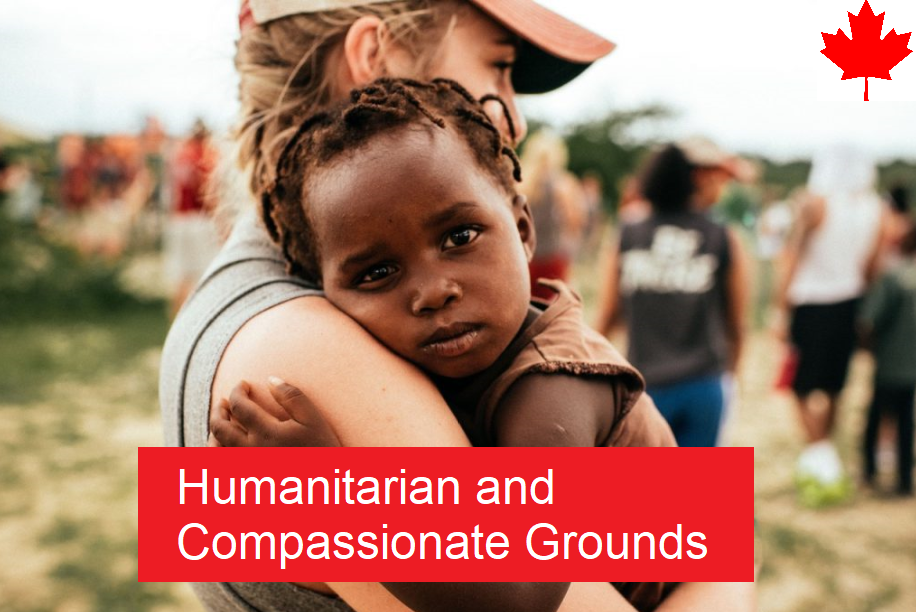
Humanitarian considerations concern retention, not automatic restoration
Section 28 allows an officer to consider whether humanitarian and compassionate circumstances justify retaining PR despite a residency breach, taking account of the interests of a directly affected child. A favourable assessment is not automatic. Explain the actual reasons for your absences and provide evidence of the consequences of losing status.
This residency-obligation assessment is different from a foreign national applying for permanent residence on humanitarian and compassionate grounds under a separate process. If a final determination has already ended your PR status, obtain advice about review rights or a new immigration pathway. Do not assume a PR card renewal can reverse that result.
What Makes a Strong H&C Case?
Each application is reviewed holistically. Immigration officers assess why you were outside of Canada, what efforts you made to return, and how losing your status would negatively impact you or your family especially if children are involved. Below are some of the examples of relevant H&C scenarios:
- Caring for a Terminally Ill Relative Abroad
An extended absence may involve caring for a seriously ill family member. If you left Canada to provide end-of-life care to a parent, spouse, or sibling, IRCC may consider this a valid H&C reason.
What strengthens your case:
- Medical records confirming terminal diagnosis (oncology reports, hospice admission letters, etc.)
- Proof of caregiving, such as dated emails, travel itineraries, hospital sign-in sheets, or prescriptions filled in your name
- A clear timeline that aligns with your absence and demonstrates you weren’t abroad indefinitely
- Stranded Due to War, Conflict, or Natural Disasters
If you were trapped in a war zone, affected by a natural disaster, or living in an area of political unrest that made it unsafe or impossible to return to Canada, IRCC may grant leniency under H&C grounds.
What strengthens your case:
- Embassy travel alerts, evacuation notices, or flight cancellations
- Media articles documenting instability or airport shutdowns
- Visa rejections or border restrictions that show attempts to return were made but failed
- Serious Medical Conditions Preventing Travel
When you’re dealing with severe illness, surgery, or rehabilitation that made travel physically or medically impossible, medical PR Card Renewal with H&C arguments may apply. IRCC considers the duration and severity of the illness in its review.
What strengthens your case:
- Doctor’s letters stating that air travel was not recommended or allowed
- Detailed medical documentation including diagnoses, treatment timelines, hospital stays
- Proof of ongoing care, such as prescriptions, therapy sessions, or follow-up appointments
- Blocked by Border Closures and Travel Bans
Global emergencies like the COVID-19 pandemic created unprecedented travel challenges. If you were unable to return to Canada due to international travel bans, embassy closures, or suspended flights, these factors may be recognized as valid reasons for failing to meet your residency obligation.
What strengthens your case:
- Cancelled flight confirmations, travel restriction advisories
- Emails or correspondence with embassies and airlines
- Proof of repeated efforts to return (multiple booking attempts, visa applications, etc.)
Caregiving responsibilities and affected children
If an absence involved caring for a child or another family member, explain who needed care, when it was needed, what you provided and why alternatives were unavailable. A person’s relationship to you does not establish the whole case. The supporting records should connect the responsibility to the particular dates you could not return.
For a child directly affected, useful evidence may include birth and custody documents, school or medical records, care arrangements and an explanation of the practical impact of the decision. Describe the child’s individual circumstances rather than assuming citizenship alone guarantees a favourable outcome.
Prepare a coherent explanation
- Explain why you left Canada and why the absence continued.
- Separate periods when returning was impossible from periods when you chose to remain abroad.
- Document attempts to return, including cancellations and relevant correspondence.
- Explain your present plan and the effect on your family.
- Address gaps or apparent inconsistencies directly.
Our team can help organize a residency-obligation submission with humanitarian considerations. The strength of a case depends on its evidence and applicable law; no particular personal circumstance guarantees retention.
What should your evidence explain?
A decision-maker needs a clear account of the absences and the circumstances relied on. Arrange the evidence so a reader can follow the timeline without guessing. If you rely on medical restrictions, connect the medical information to the travel period. If you rely on caregiving, explain both the need for care and your actual role.
Documents for a PR card application with residency concerns
Use the current document checklist and application instructions. IRCC’s PR card guide explains how to request humanitarian consideration when the residency obligation is not met.
Keep originals available and submit the format required for the particular application. Provide translations where the instructions require them. Make sure names, dates and travel details are consistent across your application, explanation and supporting records. The examples below are a way to organize relevant material, not a universal checklist or a promise that submitting them will produce approval.
- Detailed Personal Statement or Explanation Letter
Your written explanation forms the emotional and factual backbone of your H&C arguments. It should outline:
- Why you were outside Canada
- What events or obligations kept you away
- What efforts you made to return
- How losing PR status would negatively affect you or your family
This document should be truthful, well-structured, and consistent with everything else in your submission.
- Medical Records and Diagnosis Letters
If your absence was due to your own medical condition or that of a close family member you need official medical documents. These include:
- Diagnosis letters from licensed doctors or specialists
- Hospital admission/discharge papers
- Treatment records, therapy schedules, prescriptions
- Doctor’s notes explicitly restricting travel
These documents serve as objective proof that your physical or mental condition made it unreasonable to meet the 730-day PR obligation.
- Letters from Doctors, Employers, and Family Members
Third-party support letters help strengthen the credibility of your application. These letters should:
- Confirm your role as a caregiver (for family cases)
- Validate travel restrictions or safety concerns (for health or conflict-related absences)
- Describe the emotional or financial hardship that would result from PR loss
Ideally, letters should come from reputable individuals with firsthand knowledge: healthcare professionals, employers, educators, or community leaders and must be dated and signed.
- Travel Logs, Cancelled Flights, and Visa Rejections
One of the most overlooked but powerful forms of evidence includes travel-related documentation. This is especially useful if your case involves:
- Attempted but failed returns to Canada
- Closed borders, cancelled routes, or suspended visas
- Global travel restrictions such as during COVID-19
You can include:
- Copies of flight reservations and cancellation notices
- Visa refusal letters
- Emails with airlines or embassies
- Passport stamps showing movement attempts
These documents support your narrative that you tried in good faith to return to Canada.
- Proof of Ongoing Ties to Canada
Even if you were physically outside Canada, explain your continuing ties to Canada and support them with dated evidence.
Useful documents include:
- Canadian property ownership or lease agreements
- Job offers, contracts, or letters of interest from Canadian employers
- Bank statements from Canadian accounts
- Copies of tax filings (T4s, NOAs)
- Evidence of volunteer work or memberships in Canadian organizations
These materials demonstrate that you remained rooted in Canadian life despite your absence.
- School and Health Records of Canadian Children (if applicable)
If Canadian children are involved, especially if they are dependent on you, include:
- Canadian passport or PR cards for the children
- School attendance records, report cards, or enrollment forms
- Doctor’s appointments, immunization records, or pediatrician notes
- Letters from teachers or child psychologists emphasizing the impact of your absence or the need for your presence in Canada
This evidence is particularly persuasive, as IRCC must consider the best interests of a child directly affected by the decision.
Choose the procedure that matches your situation
You are in Canada and still hold PR status
Review your residency calculation and the PR card instructions before applying. If you do not meet the obligation, a humanitarian explanation may be relevant. A new card is evidence of status; it is not a separate grant of permanent residence.
You are abroad without a valid PR card
A permanent resident travelling back on a commercial carrier generally needs a valid PR card or a permanent resident travel document. A PRTD application can trigger a residency assessment. Our PR Travel Document service can help you prepare for that assessment. Do not book travel on the assumption that a document will be issued by a particular date.
You received a negative residency decision or removal order
Read the decision immediately and obtain advice about the applicable challenge, eligibility and deadline. A refusal of a PR card alone should not be treated as interchangeable with every appealable residency decision. The Immigration and Refugee Board explains residency-obligation removal-order appeals. Keep the full decision and proof of when it was received.
Your PR status has legally ended
Loss of status is governed by section 46 of the Act. The next step may involve a remaining review option or a new permanent-residence application if you qualify. Family sponsorship is one possible pathway for an eligible person, but it is a new assessment rather than automatic reinstatement. See our Family Class Sponsorship service.
How Akrami & Associates can help
Bring your travel timeline, PR documents, decision letters and supporting evidence to a consultation. We can assess the procedure that fits your status and circumstances, identify evidence gaps and explain possible next steps. Book a consultation about PR residency obligations and travel documents. Outcomes depend on the facts and the decision-maker’s assessment.
Frequently asked questions about PR residency problems
Does an expired PR card mean I lost permanent resident status?
No. Card expiry alone does not end your status. Before assuming you need to immigrate again, check whether a legal decision or another event has actually ended your PR status.
Am I automatically no longer a PR if I have fewer than 730 days?
No. A residency shortfall is serious, but it is not the same as an automatic loss of status. Your qualifying days, the applicable period and any decision already made must be reviewed.
Can I make humanitarian arguments while outside Canada?
If you remain a PR and need a PRTD, humanitarian considerations may be relevant to a residency-obligation assessment. This is different from saying that anyone abroad can use the in-Canada H&C permanent-residence application. The correct process depends on your present status and circumstances.
Does having a Canadian child guarantee that I can keep PR?
No. Explain the situation of each child directly affected and support it with evidence. The child’s interests matter, but the overall legal assessment remains individual.
How long will a PR card, PRTD or appeal take?
These are different processes with different timelines. Use current official information and any instructions for your file. A general 12-to-18-month promise is not a reliable estimate for every case.
What should I bring to a consultation?
Bring your PR card and landing records, passports, travel history, refusal or removal documents, and evidence explaining the absences. Identify any upcoming travel plans or deadline at the start.
Arrange a PR residency consultation with Akrami & Associates to assess your options. This article provides general information; it does not decide your legal status.
Latest Immigrations News

March 8, 2025
PR Card Renewal and H&C Grounds: Residency, Evidence and Status
PR card expiry and residency concerns are different questionsAn expired permanent resident card does not itself end permanent resident status. If you are concerned about time spent outside Canada, start by reviewing your status, travel history and any decision already received. Do not assume that replacing a [...]

Book a Conslutation
One of our Representatives will
assist you with your matter. Book Now!
Click here

Call us for
more Information
+1-416-477-2545
Toll Free: 1-877-820-7121
Click here

Write Us (Online Form)
Complete our form and one of our
Representatives will contact you.
Click here

Subscribe To Our Newsletter

 1440 Hurontario St
 Whats App: +1 416-477-2545
 Email: info@thevisa.ca